

A detached garage or garden office can become one of the most useful spaces on a property, yet its security needs are easy to underestimate. These buildings may contain bicycles, tools, computers or specialist equipment, often beyond the main house’s normal field of view. They can also sit close to rear lanes or neighbouring gardens, where movement is less noticeable. Effective protection starts with understanding how the space is used, rather than automatically copying the alarm and camera arrangement inside the home.
Why Outbuildings Present Different Risks
Unlike the main house, a detached building might remain unoccupied for hours while everyone is at home. Doors may be concealed behind fences, and windows can face quieter parts of the garden.
Walk the route between the house and outbuilding at different times of day. Notice what can be seen from living areas, where lighting is limited and whether the door or window locks are suitable. This exercise helps establish what needs monitoring.
Consider Access Before Choosing Electronics
Strong doors, sound frames and appropriate locks provide the foundation for protecting an outbuilding. Electronic security can warn of activity, but it cannot compensate for a door that is easy to force. Valuable items should also be stored sensibly rather than displayed directly through windows.
For buildings used as workplaces, think about who needs access. A cleaner, colleague or family member may require entry at different times. Security arrangements should accommodate legitimate use without encouraging shared passwords or leaving doors unlocked for convenience.
Assess Wireless Coverage Across the Garden
A Wireless security alarm may offer a convenient way to protect a separate garage or office, particularly when routing new signal cables would be disruptive. However, distance from the house, thick external walls and interference can affect communication between sensors and the control unit. Wireless does not automatically mean every device will connect reliably.
Ask how signal strength will be checked at the intended installation points. Battery accessibility and the response to a lost connection also matter, especially for a building that is not visited every day.
Put Practical Questions Ahead of Product Features
A short survey can prevent spending on devices that do not solve the main problem. Before installation, consider:
-
Is the building used daily, seasonally or only at weekends?
-
Does it contain equipment that needs additional physical protection?
-
Can alarms and notifications reach someone who can respond safely?
-
Is the broadband signal dependable outside the main house?
-
Would exterior lighting improve visibility along the access route?
-
Are proposed cameras likely to record neighbouring private spaces?
-
Who will test devices and replace batteries when required?
These answers help balance useful protection with manageable upkeep.
Choose Camera Views With a Purpose
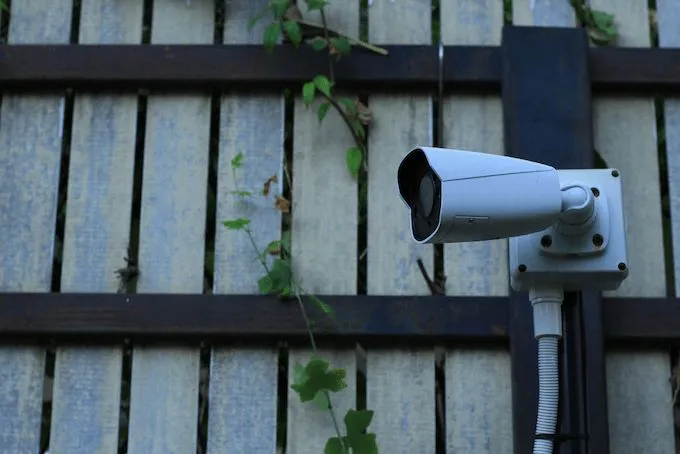
A camera aimed at the garden may not provide a useful view of the outbuilding entrance. Likewise, a camera that records a broad landscape can miss identifying details near the door. Rather than covering everything, decide which activity a recording should help explain.
Lighting, glare and vegetation influence image quality. An entrance illuminated by a bright security light may look very different on camera at night. Reviewing sample footage can reveal these issues before owners rely on the system.
Maintenance Is More Than Checking the Live Picture
Outbuilding cameras face exposure to rain, insects, dust and seasonal plant growth. Even a camera that displays a live image may fail to store recordings because of a problem elsewhere in the system. Regular playback tests therefore matter alongside visual inspections.
Support from a CCTV maintenance company can be useful when owners need to assess recurring disconnections, weather damage or deteriorating recording quality. Maintenance should also include reviewing whether new fences, sheds or planting have changed the intended coverage.
Keep Alerts Useful and Responses Safe
Too many notifications can discourage people from paying attention. Configure detection areas thoughtfully and review repeated alerts rather than ignoring them. Household members should understand what to do if a sensor activates, including when to contact the police or seek professional assistance.
No one should feel obliged to confront an intruder. A practical response plan, suitable locks and reliable monitoring provide a more sensible combination than an alarm alone.
Conclusion
A garage containing expensive tools and a garden office holding work equipment may need different protective measures, even when both stand on the same property. Their distance from the house, frequency of use and available connectivity should guide security decisions. Suitable locks, carefully positioned sensors and reliable monitoring can address those individual risks. techtwins.co.uk outlines alarm and CCTV services relevant to such installations. Protection is most effective when it reflects what each outbuilding contains and how its occupants use it.
