
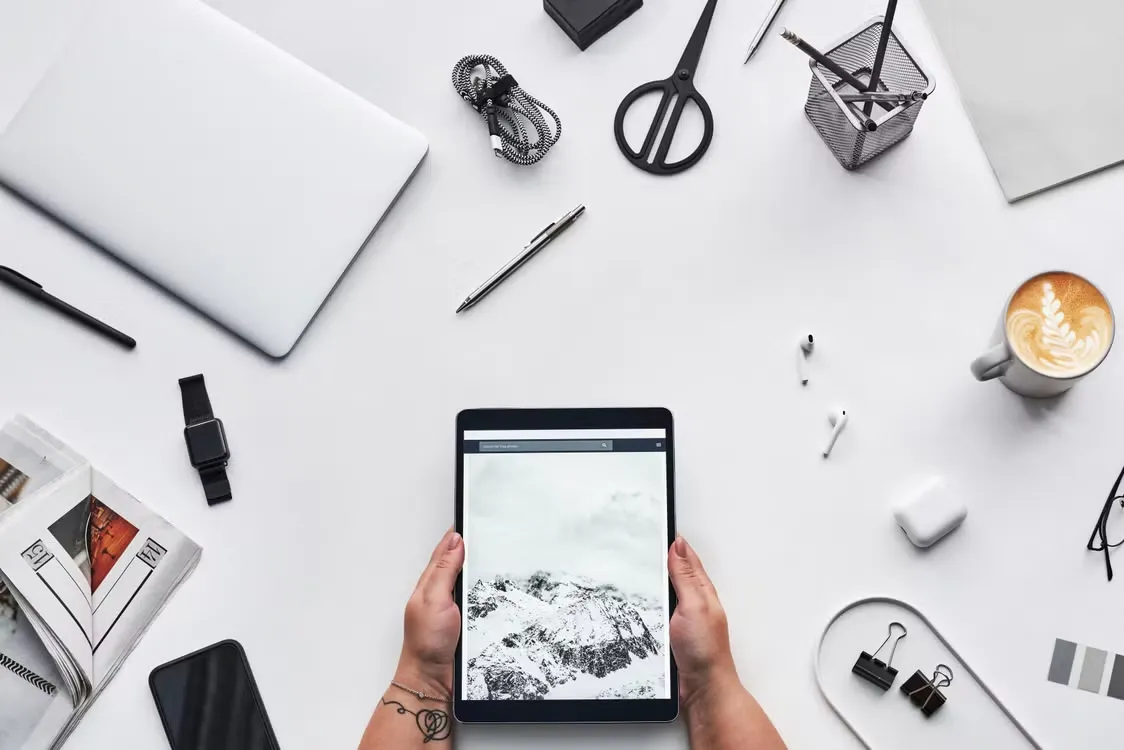
Tablets are becoming everyday digital hubs in 2026. They are no longer seen only as devices for reading, browsing, or watching videos. Many people now use them to manage work, communication, entertainment, shopping, and home routines from one screen.
The appeal is simple. A tablet is larger than a phone, lighter than a laptop, and flexible enough for different parts of the day. The same connected approach is also visible in casino resorts, where hotels, dining, rewards, gaming, events, and guest services are brought together through digital tools.
Work Feels More Flexible
Tablets are useful for work because they support emails, calendars, documents, presentations, video calls, and project apps. With a keyboard and stand, a tablet can feel like a small workstation without the weight of a full laptop.
Remote workers use tablets at home, in cafés, in hotels, and while traveling. They can review files, answer messages, join meetings, and update tasks from almost anywhere.
Split-screen tools also help. A user can keep notes open beside a video call or view a document while checking a calendar. This makes work feel more organized without needing a large desk setup.
Communication Is Easier to Manage
Communication is one of the strongest everyday uses for tablets. Emails, messages, video calls, group chats, and social platforms are easier to follow on a larger screen.
A tablet works well for both personal and professional communication. Families can use it for video calls. Professionals can use it for client meetings. Students can use it for online classes and group projects.
Typing longer messages is easier with a keyboard accessory. Reading attachments, viewing shared documents, and checking meeting notes also feels clearer than on a phone.
In 2026, tablets help people stay connected without feeling tied to one location.
Entertainment Is Always Ready
Tablets are also strong entertainment devices. They support streaming, games, music, podcasts, books, magazines, and live events.
The screen size makes films and series more comfortable to watch. Games feel better because there is more room for visuals and controls. Reading is easier because text and images have more space.
Many people use tablets during travel, quiet evenings, or short breaks. They can download shows before a flight, listen to music while cooking, or play casual games before bed.
Some users also explore digital gaming options such as online slots during downtime, while others prefer streaming platforms, books, puzzle games, or live event apps.
Shopping Becomes More Comfortable
Online shopping is easier on a tablet because the larger screen helps users compare products more clearly. Photos, reviews, size guides, prices, delivery terms, and return policies are easier to read.
This is useful for bigger purchases such as furniture, appliances, clothing, electronics, and travel gear. Shoppers can watch product videos, compare options, and complete payments without constantly zooming in.
Retail apps are also becoming cleaner in 2026. Saved carts, wish lists, loyalty rewards, digital receipts, and secure checkout tools make shopping faster and more organized.
A tablet gives users enough space to make better decisions before buying.
Home Management Is More Connected
Smart home systems are another reason tablets are becoming digital hubs. A tablet can control lights, locks, cameras, thermostats, speakers, appliances, and security alerts.
Many families place a tablet in the kitchen, living room, or entry area as a shared control panel. This lets everyone adjust settings without needing access to every app on their own phones.
Users can dim lights, check a doorbell camera, adjust air conditioning, start a robot vacuum, or play music from one screen.
The goal is convenience. Smart home technology works best when it reduces steps instead of adding more.
Casino Resorts Show Connected Services at Scale
Casino resorts are strong examples of connected destinations. Many combine hotels, restaurants, lounges, shops, pools, spas, gaming areas, live shows, rewards, and guest support within one property.
Digital platforms help connect these services. A guest can use an app, tablet, or kiosk to check in, view room details, reserve dining, check event schedules, request services, and manage rewards.
This creates a smoother experience because guests do not need to visit several desks or rely on printed schedules. They can plan more of their stay from one device.
For large resorts, this matters. Guests have more choices, so clear digital tools help them make better use of the property.
Rewards and Events Are Easier to Access
Connected resort systems also make rewards and events easier to manage. Guests can view loyalty points, offers, dining credits, room benefits, and entertainment updates from one platform.
This helps visitors avoid missing useful benefits. They can check what is available, compare options, and make plans before offers expire.
Tablets Fit Modern Daily Life
In 2026, tablets are rising as everyday digital hubs because they bring many tasks together. They support work, communication, entertainment, shopping, home management, and travel planning from one portable device.
Casino resorts reflect the same idea in a larger setting. They connect hotels, dining, gaming, rewards, events, and guest services into one smoother experience.
The best technology makes life easier without adding confusion. Tablets meet that need by giving people one simple screen for many parts of daily life.
